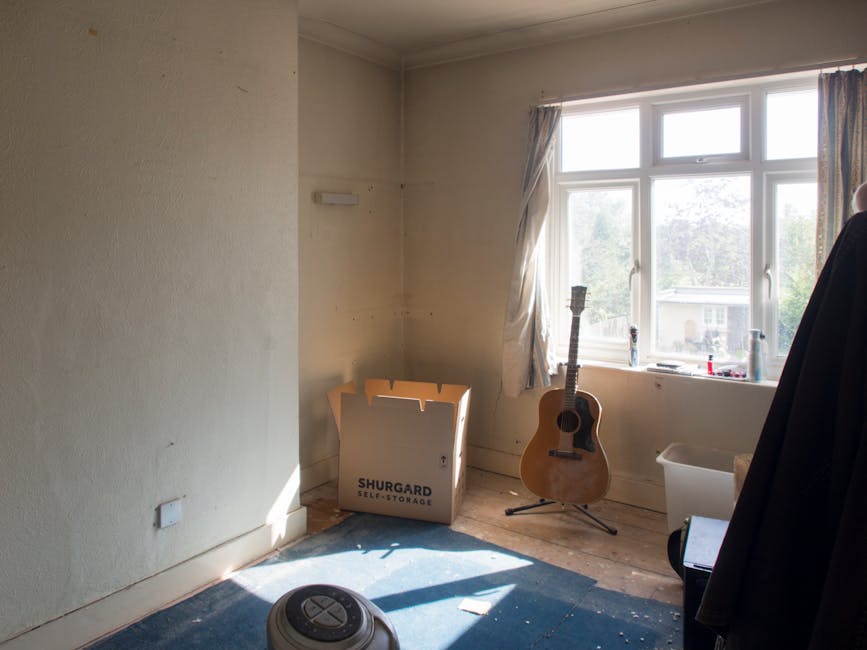
Builders deep clean case study Ilchester Place

If you have ever walked into a property after renovation and felt that fine dust in the air before you even touched a surface, you will know why a builders deep clean matters. A proper Builders deep clean case study Ilchester Place is not just about making a home look tidy. It is about removing post-build residue, protecting finishes, and getting a property ready for comfortable living again. In a place like Ilchester Place, where expectations are high and details matter, the difference between a basic tidy-up and a proper after-build clean can be night and day.
In this article, we break down what a builders deep clean involves, how it works, what good results look like, and where projects can go wrong. You will also find practical steps, a useful checklist, and honest guidance on the kind of standards people usually expect after building work. No fluff. Just the sort of detail that helps you make a sound decision.
Why Builders deep clean case study Ilchester Place Matters
Post-construction dust is stubborn. It settles on skirting boards, hides in window tracks, clings to light fittings, and drifts into soft furnishings long after the builders have packed up. That is why a builders clean is not the same as a normal domestic clean. It is more targeted, more detailed, and usually more physically demanding than people expect.
Ilchester Place is the sort of setting where presentation really counts. Whether the property has just had a kitchen upgrade, a full refurbishment, or a delicate restoration, any leftover plaster dust or adhesive haze can spoil the finish. A deep clean restores the property to a lived-in standard, not just a "looks okay from the doorway" standard. To be fair, that is what most people want when the work is done. The mess should stop being the story.
A good builders deep clean also protects your investment. Abrasive dust can scratch polished surfaces if it is wiped carelessly. Paint specks can dry hard on glass. Construction residue can dull tiles, leave floors patchy, and make freshly fitted spaces feel unfinished. So yes, it is a cleaning task, but it is also a finishing stage.
Expert summary: A proper after-build clean is best understood as the final handover step. It removes fine dust, construction marks, and hidden residue so the property feels genuinely complete, not merely cleaned on the surface.
How Builders deep clean case study Ilchester Place Works
The process usually starts with a walkthrough. A cleaner or team assesses the layout, the level of dust, the surfaces involved, and any sensitive materials such as natural stone, engineered wood, brass fittings, or newly installed fixtures. This is important because the wrong cloth, chemical, or technique can do more harm than the dust itself. And nobody wants that awkward conversation later.
From there, the clean is carried out in a logical sequence. Dust is removed from high points first, then mid-level surfaces, then lower areas and floors. That order matters. If you mop too early, you will just trap fresh dust into the floor finish. If you clean glass before overhead dust has been dealt with, you end up doing the same job twice. Not ideal.
In a typical builders deep clean, the team may focus on:
- dust removal from walls, skirting boards, door frames, and architraves
- careful cleaning of sockets, switches, handles, and fittings
- vacuuming with appropriate filtration to control fine dust
- spot cleaning of paint, plaster, silicone, grout haze, and adhesive marks
- cleaning internal glass, mirrors, and window ledges
- degreasing and sanitising kitchens and utility spaces
- deep cleaning bathrooms, including limescale and residue removal
- final floor care suited to the material in place
The exact method depends on what the builders have left behind. A light refurbishment is one thing. A full house renovation is another entirely. You might see everything from sawdust and plaster debris to fine white dust that seems to appear again even after you have wiped it away. That is normal, unfortunately. The job often takes a few passes.
For property owners comparing services, it helps to understand how this differs from deep cleaning in general. A builders clean is usually more residue-focused, more protective of surfaces, and more about post-work recovery than routine upkeep. If you are preparing for occupation after renovation, it may also overlap with move-in cleaning when the timing lines up.
Key Benefits and Practical Advantages
There are obvious benefits, and then there are the subtle ones people only notice once they have lived in the property for a few days. The obvious benefit is cleanliness. The subtler benefit is peace of mind. A properly finished property feels calmer, easier to use, and frankly more worth the effort you have put into the renovation.
Here are the main practical advantages:
- Better first impression: Clean surfaces help the renovation look finished rather than halfway done.
- Safer occupancy: Dust, debris, and loose residue can create slip and respiratory irritation risks.
- Protection for new finishes: Proper techniques reduce the chance of scratching or staining.
- Faster handover: A structured clean helps the property become usable sooner.
- Reduced rework: Getting dust out of corners and hidden spaces means less complaint later.
- Cleaner air and surfaces: Fine post-build dust can linger in ventilation paths and on shelves if left alone.
There is also the practical question of energy. If you try to tackle a post-build clean yourself after a long renovation, it can feel endless. You clean one room and find another layer of dust in the hallway. Then the bathroom. Then the window frames. It is a bit like chasing your own shadow. Hiring an experienced team does not just save time; it saves your sanity, which has value too.
And for higher-end homes or carefully finished interiors, presentation really does matter. A polished stone worktop or newly fitted timber floor can look a little flat until every trace of dust has been handled correctly. That final finish is often what people are really paying for, even if they do not say it out loud.
Who This Is For and When It Makes Sense
This service is for anyone dealing with the aftermath of building or refurbishment work. In Ilchester Place and similar London streets, that often includes homeowners, landlords, property managers, interior designers, and contractors who want a property ready for handover.
It makes sense when:
- building work has just been completed and the property is covered in dust
- kitchens, bathrooms, or floors have been newly installed
- there are paint splashes, grout haze, or adhesive marks to remove
- you need the property ready for occupation, photos, or viewing
- you want a specialist clean rather than a general tidy-up
- the surfaces are sensitive and need careful handling
It is especially relevant after work that involved sanding, plastering, cutting, or drilling. Those jobs create fine residue that gets into places you would not expect. Behind radiators. Along track edges. Even in cupboard corners that looked untouched during the build. A decent clean does not stop at visible surfaces.
If you are managing a wider property refresh, it may also be worth looking at related services such as one-off cleaning for the broader reset, or end of tenancy cleaning where a handover standard is needed alongside renovation recovery. Different jobs, sure, but the same principle applies: the finish has to be convincing.
Step-by-Step Guidance
A structured approach usually produces the best result. The exact workflow varies by property, but the following sequence is a solid benchmark.
- Inspect the site. Identify the worst areas, fragile finishes, and any remaining builder materials.
- Remove loose debris. Sweep or vacuum larger dust, plaster crumbs, and packaging remnants first.
- Work from top to bottom. Start with ceiling fixtures, high shelves, and upper ledges before moving downward.
- Dry-dust before wet cleaning. This avoids smearing residue across freshly cleaned surfaces.
- Treat specific marks. Address paint spots, silicone, grout haze, sticker residue, and plaster flecks carefully.
- Clean fixtures and fittings. Switches, handles, sockets, vents, and trims need close attention.
- Deep clean the kitchen and bathrooms. These rooms often hold the most stubborn construction residue.
- Finish the floors last. Vacuum, then mop or polish according to the material.
- Do a final review. Check corners, edges, glass, and touch points in natural daylight if possible.
That final review step matters more than people think. At 8 a.m. in a bright room, you will spot dust on a sill that looked perfectly clean the night before. It is slightly annoying, yes, but useful. Light reveals the truth.
If the property includes more delicate finishes, such as upholstered seating or soft floor coverings, the workflow may expand into specialist treatment like upholstery cleaning or carpet cleaning. Builders dust in fabric is a bit of a pest, and it rarely leaves politely on its own.
Expert Tips for Better Results
Here is where experience matters. A lot of the job is not glamorous. It is about not rushing, using the right tools, and knowing what to leave alone until the right stage.
- Use the correct vacuum filtration. Fine dust can pass through poor equipment and resettle elsewhere.
- Test products first. Especially on natural stone, lacquered wood, or painted finishes.
- Keep fresh cloths on rotation. A dirty cloth just spreads residue around.
- Protect newly installed surfaces. Heavy-handed scrubbing can leave swirl marks or dull patches.
- Open windows where safe and practical. Fresh air helps reduce the lingering build-up smell after renovation.
- Use separate cloths for bathrooms and kitchens. It sounds obvious, but this is one of those basics people skip when they are tired.
A practical tip from the field: always clean the highest dust-trap areas before touching floors. If you do not, you are asking for repeat work. And repeat work is where good intentions go to sulk.
Another one: photograph problem spots before and after. Not for show, just for reference. It helps if there is a question later about what was there, what was removed, and what may need a second pass. Straightforward, no drama.
Common Mistakes to Avoid
Post-build cleaning has a few predictable traps. Most of them come from rushing or using the wrong method for the surface. A tidy-looking room can still be hiding dust in all the annoying places.
- Cleaning in the wrong order. Floors should usually be left until the end.
- Using abrasive pads on delicate finishes. This can mark new work in seconds.
- Ignoring hidden zones. Tops of cabinets, behind radiators, and inside tracks often collect residue.
- Over-wetting surfaces. Too much moisture can smear dust or affect fresh finishes.
- Not checking ventilation points. Dust around vents and grilles is easy to miss.
- Assuming one pass is enough. In many properties, it takes more than one careful round.
One of the most common mistakes, truth be told, is underestimating how long it takes. People assume a builders clean is just a bigger version of a weekly clean. It is not. It is more technical, more physical, and more exacting. You are dealing with leftover work, not regular living dust. Different beast altogether.
Another issue is booking too early or too late. If the builders are still working in adjacent areas, dust will continue to settle after the clean. On the other hand, leaving it too late can delay handover, furniture placement, or move-in arrangements. Timing matters.
Tools, Resources and Recommendations
The right tools make a huge difference. You do not need a room full of gadgets, but you do need equipment that can handle fine residue without damaging the property.
| Item | Why it helps | Typical use |
|---|---|---|
| HEPA-grade vacuum or equivalent filtration | Helps capture fine dust instead of blowing it back out | Floors, skirting, upholstery, edges, and hidden dust zones |
| Microfibre cloths | Lifts dust efficiently and reduces smearing | Glass, fittings, shelves, and hard surfaces |
| Non-abrasive pads | Useful for stubborn marks without scratching | Tiles, taps, and some worktops |
| Surface-safe cleaning agents | Reduce the risk of damaging new finishes | Kitchen, bathroom, and general surface cleaning |
| Detail brushes | Reach grooves and tight corners where dust hides | Tracks, vents, fixtures, and fittings |
For people planning a broader clean after renovation, related services can be useful depending on the materials involved. For example, oven cleaning is often needed after kitchen work, while window cleaning can finish the job nicely when glazing has been affected by dust and fingerprints. If you have hard flooring, hard floor cleaning may be worth considering, especially where construction residue has dulled the surface.
There is also a practical administration side. Pricing, scope, and payment expectations should be clear before work begins. If you are comparing providers, take a look at pricing and quotes so you know what should be agreed in advance. Surprises are fine in birthday cakes. Not in cleaning invoices.
Law, Compliance, Standards, or Best Practice
For cleaning after construction, the key compliance concerns are usually health, safety, insurance, and waste handling rather than complicated legal jargon. If the work involves dust, debris, chemicals, or access issues, the cleaning provider should work in a way that reduces risk to people and property.
In the UK, best practice generally includes careful attention to manual handling, safe use of cleaning products, suitable PPE where needed, and proper handling of waste materials. A reputable provider should also be able to explain how they manage insurance, liability, and safety procedures. If that sounds a bit dry, fair enough, but it matters when you are letting people into a newly finished property.
If you want reassurance, it is sensible to review a company's health and safety policy and insurance and safety information before booking. That is not overcautious. It is normal due diligence, especially for homes with valuable fixtures or recent works.
Waste disposal is another area where good practice matters. Builders waste and cleaning waste should not be treated carelessly. If leftover materials, dust bags, or debris need removal, the approach should align with local expectations and responsible disposal standards. For more on this broader topic, the site's recycling and sustainability page may be useful.
Finally, transparency counts. Terms, payment handling, and complaint routes should be easy to understand. If you are checking a provider's policies, useful pages include terms and conditions and the complaints procedure. It is boring until you need it, and then it is suddenly very helpful.
Options, Methods, or Comparison Table
Not every post-build situation needs the same level of attention. Sometimes a light reset is enough. Other times, you need a full technical clean with multiple passes. The best method depends on the property, the finish, and how much building work has taken place.
| Approach | Best for | Strengths | Limitations |
|---|---|---|---|
| Basic tidy-up | Very light dust and minimal residue | Quick and low effort | Often misses hidden dust and marks |
| Standard deep clean | General post-renovation cleaning | Good for most domestic finishes | May not tackle stubborn builder residue |
| Specialist builders clean | Heavy dust, paint marks, grout haze, and detailed handover | More thorough and finish-focused | Needs more time, care, and the right products |
| Combined move-in clean | When renovation is followed by immediate occupation | Creates a ready-to-live result | Requires good scheduling and access |
If you are unsure which route to choose, ask yourself one simple question: do you need the property to look tidy, or do you need it to feel properly finished? That distinction saves a lot of confusion. A tidy property can still have residue on every skirting board. A finished property should not.
For some homes, especially those with occupied rooms or mixed-use spaces, a broader cleaning plan may include regular cleaning after the initial post-build work is complete. That keeps dust from creeping back into the picture once everyday life begins again.
Case Study or Real-World Example
Here is a realistic example of how a builders deep clean can unfold in a property setting like Ilchester Place. A renovation has just finished in a top-floor flat. The work included redecorating, new joinery, and some bathroom upgrades. The builders have left, but the flat still shows the usual signs: fine white dust on ledges, a few paint flecks on glass, and residue near fittings and floor edges.
The clean begins with a full inspection. The team identifies sensitive surfaces, including newly fitted flooring and bathroom stone. They then work room by room, starting high and ending low. Ceiling corners, light fittings, picture rails, and wardrobes are dusted first. Window frames and internal glass are then treated carefully, followed by kitchen surfaces, cabinets, and appliances. Bathrooms are finished with attention to limescale, sealant residue, and polished surfaces.
Midway through, the first pass reveals what looked clean at a glance still had dust hiding in the fine edges of joinery. That is normal. After a second pass, the property starts to feel clearer, lighter, and less "just had work done." By the end, the space looks ready for furniture, soft furnishings, and actual living.
In a job like this, the little things matter. The clean smell in the air after the windows are opened. The sound of the vacuum finally fading. The satisfaction of seeing a surface reflect light properly again. Small stuff, yes. But it tells you the clean has done its job.
Practical Checklist
Use this checklist before, during, or after a builders deep clean. It keeps things organised and helps avoid the usual last-minute scramble.
- Confirm what building work has been completed
- Walk through the property and note problem areas
- Identify sensitive surfaces and special finishes
- Remove remaining construction debris first
- Plan the clean from top to bottom
- Use the right products for glass, stone, wood, and metal
- Check hidden corners, tracks, vents, and behind fixtures
- Finish floors only after dusting and surface cleaning are complete
- Inspect rooms in natural light where possible
- Confirm whether any specialist follow-up is needed
- Agree on timing, access, and handover expectations
- Review safety, insurance, and payment details before work starts
If you want an extra layer of certainty, it can help to keep a simple room-by-room sign-off list. Nothing fancy. Just a sheet that says "done," "needs another pass," or "watch this area." It keeps the whole process calmer, which is never a bad thing.
Conclusion
A builders deep clean is the final step that turns a renovation from a worksite into a proper home again. In Ilchester Place, where presentation and finish carry real weight, the quality of that final clean can shape how the entire project feels. When it is done well, the property looks sharper, the air feels clearer, and all the effort that went into the building work finally makes sense.
The best results come from careful sequencing, the right tools, and a realistic understanding of what post-build residue actually does. It gets everywhere. It really does. But with the right approach, it can be dealt with thoroughly, without damaging the new finishes you have just paid for and waited on.
If you are planning a renovation handover, a move-in, or a full reset after building work, it is worth taking the cleaning stage seriously. That last stage is not an afterthought. It is the part that lets the property breathe again.
Get a free quote today and see how much you can save.
And once the dust has gone, that quiet, finished feeling in the room is hard to beat.
Frequently Asked Questions
What is included in a builders deep clean?
A builders deep clean usually includes dust removal, wipe-downs of surfaces and fittings, cleaning of glass and frames, treatment of common construction marks, and floor finishing. It is more detailed than a standard clean because it targets post-renovation residue.
How is after builders cleaning different from regular deep cleaning?
After builders cleaning is designed for renovation residue such as plaster dust, paint marks, grout haze, and adhesive traces. Regular deep cleaning focuses more on general household dirt and build-up. The tools and sequence are often different too.
How long does a builders deep clean usually take?
It depends on the size of the property, the amount of dust, and the type of finishes involved. A small flat may be quicker, while a larger or heavily refurbished property can take much longer. It is rarely a quick job if done properly.
Can builders dust damage new surfaces?
Yes, if it is left to sit or is wiped away with the wrong method. Fine dust can scratch finishes, dull surfaces, and get into small gaps. That is why careful removal and the right cloths and vacuums matter.
Do I need a builders clean before moving in?
In most cases, yes. If renovation work has happened recently, a move-in clean or builders deep clean is the sensible final step. It helps remove dust and residue before furniture, boxes, and everyday items are brought in.
What should I check before booking a cleaning service?
Check what is included, how the provider handles safety and insurance, what surfaces they are comfortable working on, and whether pricing is clear. It also helps to confirm access, parking, and timing for the job.
Will builders cleaning remove paint and plaster marks?
Often, yes, but it depends on the mark and the surface. Fresh residue is easier to remove than hardened material. Some finishes need special care, so a cautious approach is better than aggressive scrubbing.
Is builders cleaning suitable for delicate finishes?
Yes, provided the team uses suitable methods and products. Natural stone, polished wood, and sensitive fittings need careful handling. A good cleaner should know when to test a product first and when to avoid abrasion.
How do I know if I need a specialist clean rather than a general one-off clean?
If the property has visible construction dust, recent plastering, paint spots, or debris in awkward areas, a specialist builders clean is usually the better fit. A one-off clean is better for general freshening up without heavy post-work residue.
Can builders cleaning include carpets and upholstery?
It can, if needed. Soft furnishings often trap fine dust after renovation, so services like carpet cleaning or upholstery cleaning may be useful alongside the main clean. It depends on the property and the amount of exposure.
What if the property still needs more work after the clean?
If further building work is planned, it is often better to wait until that work is complete before doing the final builders clean. Otherwise, fresh dust will just settle again and undo the progress.
How do I keep the property clean after the builders leave?
Start with regular dusting, vacuuming, and surface care once the main clean is complete. If the home is occupied during finishing touches, keep airflow good where practical and avoid disturbing settled dust unnecessarily. A light follow-up clean can help too.
Is it worth comparing prices for builders cleaning?
Yes, but compare more than price alone. Check what is included, how detailed the service is, whether insurance and safety are in place, and how the provider handles follow-up if something is missed. Cheap is rarely the full story.
What is the best time to schedule a builders deep clean?
The best time is usually after all building work is complete and before furniture or final personal items are moved in. That gives the cleaner clear access and reduces the chance of fresh dust settling back onto cleaned areas.