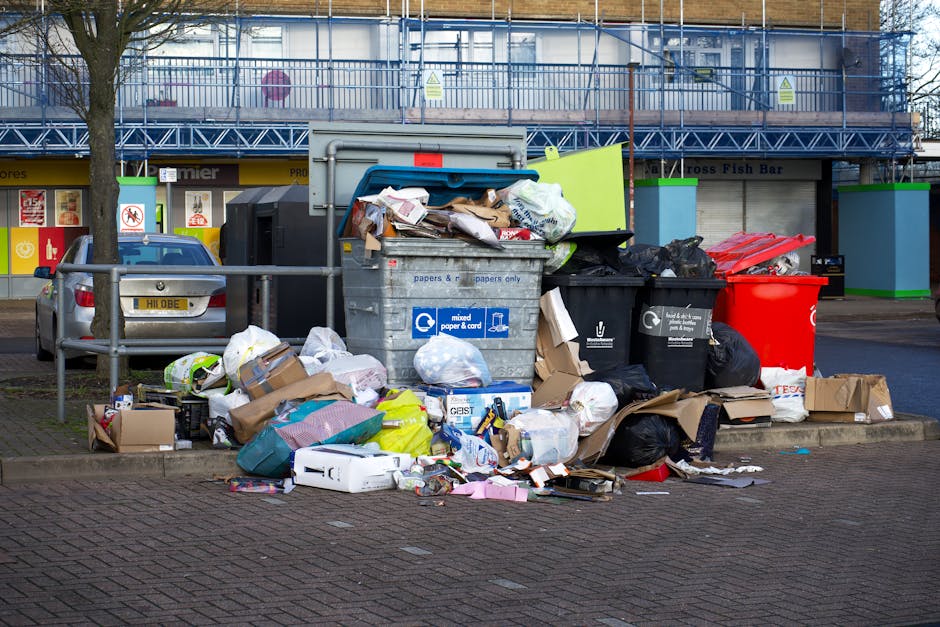
Holland Park council waste rules for cleaning and disposal
If you are trying to clear out a flat, prep a property for an end of tenancy clean, or simply get rid of bulky rubbish without upsetting neighbours, the rules can feel fiddly. The good news is that understanding Holland Park council waste rules for cleaning and disposal does not need to be a headache. Once you know what counts as general waste, what needs separate handling, and how collection day works in practice, the whole job gets much simpler. And safer, too.
In this guide, we break down the essentials in plain English: what to do with cleaning waste, how to dispose of bulky or awkward items, what mistakes cause delays or penalties, and how to stay tidy, compliant, and considerate in a busy part of London. A little planning goes a long way. Truth be told, it also saves you from that last-minute pile of black bags by the front door on a damp Tuesday morning.
Why Holland Park council waste rules for cleaning and disposal Matters
Waste rules matter because cleaning jobs almost always create waste. It might be a few bin bags after a spring clean, packaging from new storage items, old cloths and sponges, broken household bits, or a whole stack of furniture and fixtures during a move-out. If you handle that waste badly, you risk missed collections, cluttered hallways, neighbour complaints, and sometimes extra disposal costs. Not ideal when you are already juggling cleaners, keys, checkout times, and life in general.
In a place like Holland Park, where many properties sit in mansion blocks, converted houses, or managed estates, the practical side matters even more. Building rules can be strict. Access can be awkward. And if rubbish is left in shared spaces, it becomes everyone's problem, rather quickly. One overfull sack in the wrong place can create a surprisingly big mess, and sometimes a smell that lingers longer than you would like.
There is also a cleanliness angle people overlook. Good disposal habits support better results from any cleaning job. If you are arranging a deep clean in Holland Park or even a routine tidy-up, you need a plan for what leaves the property, what stays for recycling, and what needs special handling. That plan keeps your space cleaner for longer.
Expert summary: if the task creates waste, assume it needs sorting before the cleaning starts. That one habit prevents a lot of stress later.
How Holland Park council waste rules for cleaning and disposal Works
The basic idea is simple: different types of waste go into different streams. General household waste is usually collected through standard bins or sacks, while recyclable materials should be separated where possible. Bulky items, electrical waste, and certain cleaning-related materials may need special collection or a dedicated drop-off route. The exact process can vary depending on the property type and the collection arrangements in your street or building.
For day-to-day cleaning, most homes generate ordinary waste like dust, wipes, vacuum contents, food scraps from kitchen cleaning, and minor packaging. This should usually be bagged properly and presented in the correct container. What catches people out is mixing in awkward items: broken glass, paint tins, old batteries, aerosol cans, or soaked cleaning cloths contaminated with chemical residue. Those are the bits that often need a bit more thought. And sometimes gloves.
If you are clearing out after tenants leave, or preparing for a property handover, disposal becomes more layered. You might need to remove limescale products, old mop heads, damaged small appliances, bathroom waste, and unwanted household items all at once. In those cases, many people combine a declutter with services such as end of tenancy cleaning in Holland Park or a one-off reset such as one-off cleaning so that the property is left clean and workable, not just superficially wiped over.
For businesses and shared buildings, the rules can be stricter still. Office waste, confidential papers, packaging, and cleaning consumables often need to be separated carefully. If your premises is a small office near the station or in a mixed-use building, it is worth checking building instructions before collection day rather than guessing. Guessing is rarely a great strategy here.
Key Benefits and Practical Advantages
Following council waste rules does more than keep you out of trouble. It improves the whole cleaning process.
- Cleaner results: less clutter means surfaces can actually be cleaned properly.
- Faster turnaround: sort waste early and the final clear-up moves smoothly.
- Better hygiene: contaminated waste is handled more carefully, which lowers mess and odour.
- Fewer building issues: in block-managed properties, compliant disposal reduces complaints and access problems.
- Lower risk of mistakes: separating recyclables, sharps, and electrical items avoids accidental non-compliance.
- Better move-out presentation: a property with cleared waste always looks more polished, even before the final sweep.
There is also a financial angle. If you have to call for emergency waste removal because bags have piled up, or if a building manager rejects your rubbish because it was presented incorrectly, you can easily end up paying more. Better to handle it once and handle it properly.
For people planning a bigger refresh, waste handling also supports the wider cleaning strategy. A proper seasonal reset such as spring cleaning in Holland Park is always easier when there is a clear disposal plan in place from the beginning. Same with broader domestic maintenance through domestic cleaning in Holland Park or house cleaning services.
Who This Is For and When It Makes Sense
This topic is relevant if you are:
- moving in or out of a Holland Park property
- booking a deep clean after refurbishment or decorating
- clear-ing out cupboards, lofts, or storage areas
- disposing of bulky domestic items like old chairs, rugs, or broken appliances
- managing cleaning waste in a rented flat or managed building
- running a small office and dealing with packaging, paper waste, or cleaning consumables
It also makes sense if you are planning a more thorough service like office cleaning in Holland Park or need specialist help with floors and soft furnishings such as carpet cleaning and upholstery cleaning. Those jobs often produce worn cloths, extracted dirt, packaging, and items that should be disposed of or sorted properly afterwards.
There is a common pattern, to be fair: people think the cleaning itself is the hard part. Then the waste starts building. The bin is full, the bags are awkward, and suddenly the whole project slows down. That is exactly when these rules become useful.
Step-by-Step Guidance
If you want a straightforward way to manage cleaning waste in Holland Park, use this sequence.
- Walk the property first. Before cleaning starts, identify what is staying, what is being recycled, and what must be removed.
- Separate waste by type. Keep general waste, cardboard, glass, electrical items, and hazardous materials apart.
- Check building instructions. Some blocks have specific bin stores, collection times, or rules about leaving items in common areas.
- Bag waste securely. Use strong sacks and tie them properly. Loose bags split. It happens.
- Remove dangerous items carefully. Broken glass, needles, chemicals, and batteries need extra caution.
- Schedule disposal around cleaning. Do not leave the removal of rubbish until the end if it will block access or create hazards.
- Finish with a final sweep. Once waste is out, do a last inspection so no small bits are left behind.
Here is a practical example. You are cleaning a two-bedroom flat before check-out. The kitchen has food waste, the bathroom has empty products and old cloths, the bedroom has cardboard, and the hallway has a broken fan. You would not treat all of that as one blob of rubbish. Separate the fan, keep the cardboard dry and flattened, and bag the rest securely. Simple, really. But that little bit of order saves time later.
If you are unsure how much work is involved, a quote can help you plan the cleaning alongside disposal. You can use the site's pricing and quotes information, or go straight to the request a quote page when you want a more tailored estimate.
Expert Tips for Better Results
Most problems with waste disposal are not about bad intentions. They come from rushing. These small habits help a lot.
- Keep two bags open while cleaning: one for general waste, one for recyclables or special items.
- Label the awkward stuff: batteries, bulbs, and small electricals should not disappear into mixed rubbish.
- Use dry cardboard handling: damp boxes are harder to flatten and often end up taking more room.
- Do not overfill bags: heavy sacks are harder to move and more likely to split on stairs.
- Plan around access times: shared buildings may have narrow windows for moving waste out.
- Think about odour: food waste and cloths soaked with cleaning residue should leave the property quickly, especially in warmer weather.
There is another useful habit: keep cleaning products separate from disposal items until the end. That way, if you need to reuse cloths or tools, you are not scrambling around a half-closed bin bag to find them. A tiny thing, yes, but it saves annoyance.
If the job is larger than a routine tidy, a more intensive service such as deep cleaning in Holland Park can be paired with a disposal plan so that the property feels genuinely reset rather than just visually improved.
Common Mistakes to Avoid
These are the ones that show up again and again.
- Mixing everything together: it is tempting, but it creates avoidable problems.
- Leaving rubbish in communal areas: this can cause complaints fast, especially in shared buildings.
- Forgetting specialist waste: electricals, batteries, paint, and chemicals do not belong with normal household rubbish.
- Ignoring access rules: some blocks are strict about lifts, bin stores, and collection hours.
- Assuming the cleaner will remove everything: always confirm what is included and what is not.
- Waiting until the end to deal with disposal: this creates bottlenecks and messy final checks.
A slightly awkward but common situation is the "all-purpose clear-out bin." One big bag seems convenient, until it contains damp cloths, packaging, and a broken appliance cable. Then you have to sort it all out anyway. Not exactly a win.
If you want to avoid surprise costs around extra work or waste-related add-ons, it can help to read about avoiding hidden cleaning charges in Holland Park. That kind of planning keeps the whole process more transparent.
Tools, Resources and Recommendations
You do not need a complicated setup. A few practical tools cover most situations.
- Heavy-duty bin bags: good for standard cleaning waste and smaller disposal loads.
- Reusable sorting crates: handy for separating cardboard, bottles, and items to donate or remove.
- Label tape or sticky notes: useful in flats where several people are cleaning at once.
- Protective gloves: especially important for broken items, dusty lofts, or bathroom clear-outs.
- Vacuum with sealed dust container: helps keep fine dust contained when cleaning after works or heavy use.
- Strong ties or cable ties: simple, but they stop bags opening in transit.
For homeowners and renters looking after valuable interiors, it also helps to keep disposal aligned with care of the property itself. For instance, if you are cleaning delicate flooring or soft furnishings, services like carpet cleaning and stain removal expertise or professional oven cleaning in Campden Hill can fit into a wider maintenance plan that avoids unnecessary waste and repeat mess.
There is also a broader service view worth noting. If you want an overview of what is available, the services overview page is a sensible place to start. It helps you match the right cleaning approach to the waste you expect to create.
Law, Compliance, Standards, or Best Practice
Without getting overly legal about it, the safest assumption is that waste should be handled responsibly, kept secure, and separated where needed. In the UK, householders and businesses both have duties to avoid fly-tipping, prevent contamination, and dispose of waste through suitable channels. For cleaners and property owners, best practice also includes preventing spills, controlling dust, and not leaving materials where they can obstruct shared access or create a fire or hygiene risk.
In practical terms, compliance usually means:
- not placing prohibited items in normal waste
- using secure, suitable containers
- following building or estate rules
- keeping shared areas clear
- using professional judgement for chemicals, sharps, and electricals
For commercial premises, the bar is often higher. Office managers should be especially careful with paper shredding, toner, packaging, and leftover cleaning supplies. A tidy waste procedure is not just about neatness. It is part of safer day-to-day operations, and in shared office buildings that matters more than people think.
If you are using a service provider, it is sensible to check that they have clear policies around safety and insurance. The pages on insurance and safety and health and safety policy are useful references for understanding how a responsible service frames its work.
Options, Methods, or Comparison Table
Different waste situations call for different methods. The right one depends on volume, item type, and timing. Here is a practical comparison.
| Method | Best for | Pros | Limitations |
|---|---|---|---|
| Standard bin or sack disposal | Routine cleaning waste, small household rubbish | Simple, quick, low effort | Not suitable for bulky, hazardous, or specialist items |
| Separate recycling sorting | Cardboard, bottles, clean packaging, light paper waste | Reduces general waste, easier for collection | Needs a bit of sorting discipline |
| Special handling for electricals or chemicals | Small appliances, batteries, bulbs, leftover cleaners | Safer and more appropriate | Takes more planning and care |
| Coordinated clean-and-clear service | Move-outs, major refreshes, busy properties | Efficient, less stress, better finish | Needs scheduling and clear instructions |
If you are comparing options for larger jobs, it can help to think in terms of outcome rather than just effort. A cheap shortcut that leaves you with messy bins and rejected waste is not really a shortcut. A more structured service can be better value in the real world.
Case Study or Real-World Example
Consider a small family flat in Holland Park after a long tenancy. The property looks tidy at first glance, but once the cleaning starts, the waste grows quickly: old food packaging from the cupboard, dust from behind units, broken hangers, worn sponges, a dead kettle, and a stack of cardboard from replacement homeware. Nothing dramatic. Just enough to become annoying.
Instead of placing it all into one pile, the residents separate it into three groups. General waste goes into tied sacks. Cardboard is flattened and kept dry. Electrical items are set aside for proper disposal. The cleaner can then work room by room without stepping around clutter, and the final inspection is much easier. The flat feels cleaner too, because the waste never had a chance to take over the room.
That is the basic advantage of following the rules properly. Not glamourous, perhaps, but extremely effective. And honestly, in a busy London property, effective beats fancy every time.
We see the same pattern with bigger resets too, including deep cleaning guide advice for Holland Park Road homes and even local move-related planning such as understanding the real cost of domestic cleaning in Holland Park W8. The better the preparation, the less waste-related friction there is.
Practical Checklist
Use this checklist before, during, or after a cleaning job.
- Sort waste by type before the main clean begins
- Separate general waste from recyclables
- Keep batteries, bulbs, and small electricals apart
- Bag all waste securely and avoid overfilling
- Check bin store rules or building instructions
- Clear shared hallways and communal spaces promptly
- Protect floors and lifts when moving waste out
- Confirm what the cleaning service will remove
- Plan disposal for bulky items in advance
- Do a final walk-through after the waste is gone
If you are managing a move, a refurbishment, or a larger property clean, pairing this checklist with professional support can save time and prevent small setbacks. A quick call or online enquiry is often enough to clarify the tricky bits. If you prefer to speak with someone, the contact page is there for that reason.
Get a free quote today and see how much you can save.
Conclusion
Holland Park council waste rules for cleaning and disposal are really about common sense, done properly. Separate waste. Keep things secure. Respect collection arrangements. Think about shared spaces. And do not leave the disposal decision until the very end, because that is when simple jobs become irritating ones.
Whether you are preparing for a tenancy handover, carrying out a deep refresh, or just trying to keep a busy home in good shape, good waste habits make the cleaning more effective and the property easier to live in. Small system, big difference.
And if you do nothing else, remember this: the tidiest clean is the one that has a plan for the mess before it starts.
Frequently Asked Questions
What counts as cleaning waste in Holland Park homes?
Cleaning waste usually includes dust, packaging, used cloths, food scraps, paper towels, empty product containers, and small broken household items. Some of those can go into normal waste, while others need sorting first.
Can I put old cleaning products in the normal bin?
Not always. Empty containers are often different from leftover liquids or chemical products. If a product is still partly full, treat it more cautiously and do not mix it with standard rubbish without checking whether it needs special handling.
What should I do with broken electrical items after cleaning?
Keep them separate from general waste. Small electricals often need a dedicated disposal route, especially if they contain plugs, cables, or batteries. Do not leave them loose in a bin bag.
Do building rules matter as much as council waste rules?
Yes, in practice they often matter just as much. A building may have its own bin store rules, collection times, or restrictions on leaving rubbish in shared areas. Ignoring those can create delays even if the waste itself is sorted correctly.
Is it better to clear waste before or after a deep clean?
Usually before and during, not after. Clearing waste first makes it easier to clean properly and avoids moving rubbish around repeatedly. For bigger jobs, disposal and cleaning should be planned together.
What happens if waste is left in communal hallways?
It can lead to complaints, blocked access, smells, and in some buildings removal by management. It also makes the property look untidy, which is the last thing you want after a careful clean.
How do I dispose of bulky items like chairs or small furniture?
Bulky items usually need a separate disposal plan. Do not assume they can go out with standard household waste. Measure access, check the timing, and make sure the route out of the building is clear.
Do I need special handling for glass and sharp items?
Yes. Broken glass, blades, and anything sharp should be wrapped safely and kept apart from soft rubbish. The goal is to protect anyone handling the waste later, including you.
Can a cleaning service remove all my rubbish?
Sometimes, but it depends on the service and the type of waste. Always confirm in advance what is included. A reputable provider should be clear about what they can and cannot take away.
How do I keep waste disposal from adding to my cleaning bill?
Plan early, sort waste as you go, and ask for a clear scope before booking. That way you reduce last-minute add-ons and avoid the sort of surprise charges that can spoil an otherwise smooth job.
What is the easiest way to manage waste during a one-off clean?
Set up separate bags or containers before the clean starts, keep awkward items aside, and finish each room with a quick waste check. That small routine makes a one-off clean feel far more controlled.
When should I book professional help for waste-heavy cleaning?
Book help when the job includes moving out, a major declutter, post-renovation dust, or bulky items that will be awkward to handle safely. In those situations, coordinated cleaning and disposal usually saves time and stress.
If you are planning a bigger home refresh or need support beyond routine disposal, our wider reading on living calmly in Holland Park and related local cleaning guides can help you shape the job properly. Small decisions, handled well, make the whole place feel lighter.